
How to Stop Missing Leaps at the Piano: 5 Fixes
Missing leaps or pausing before them? Slow practice is not the fix. Five ways to practice piano leaps so you land early, accurately and in tempo.
Why Practicing Piano With Your Eyes Closed Works
Always looking at your hands? Eyes-closed practice builds a map of the keyboard in your body, so you land leaps and keep your place in the music.
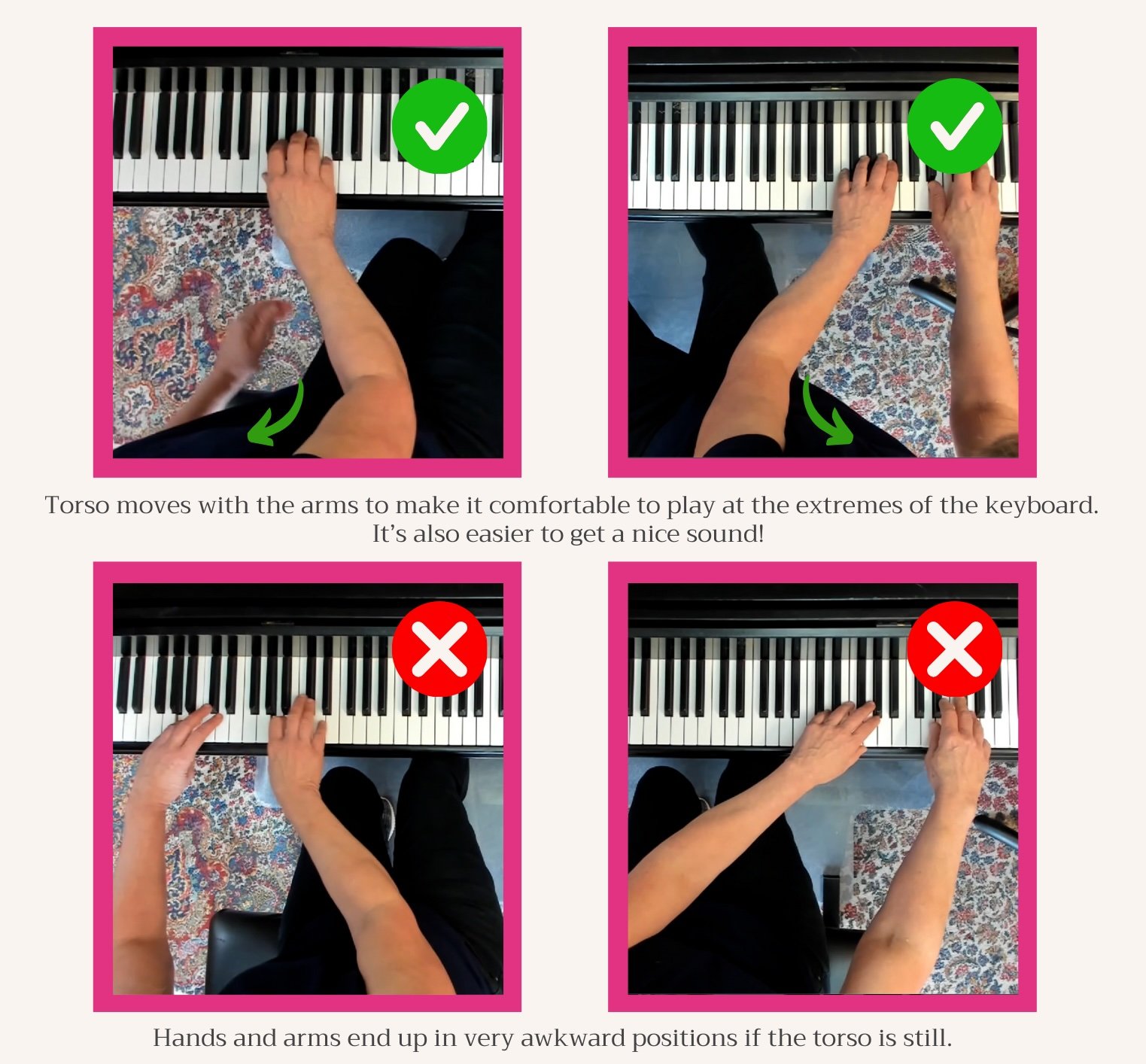
Piano and Wrist or Hand Pain: Bench, Arm and Posture Checks
Sore wrists or achy hands usually start before your fingers touch a key. Tension and fatigue come before pain and injury. Five checks to change what’s causing them.
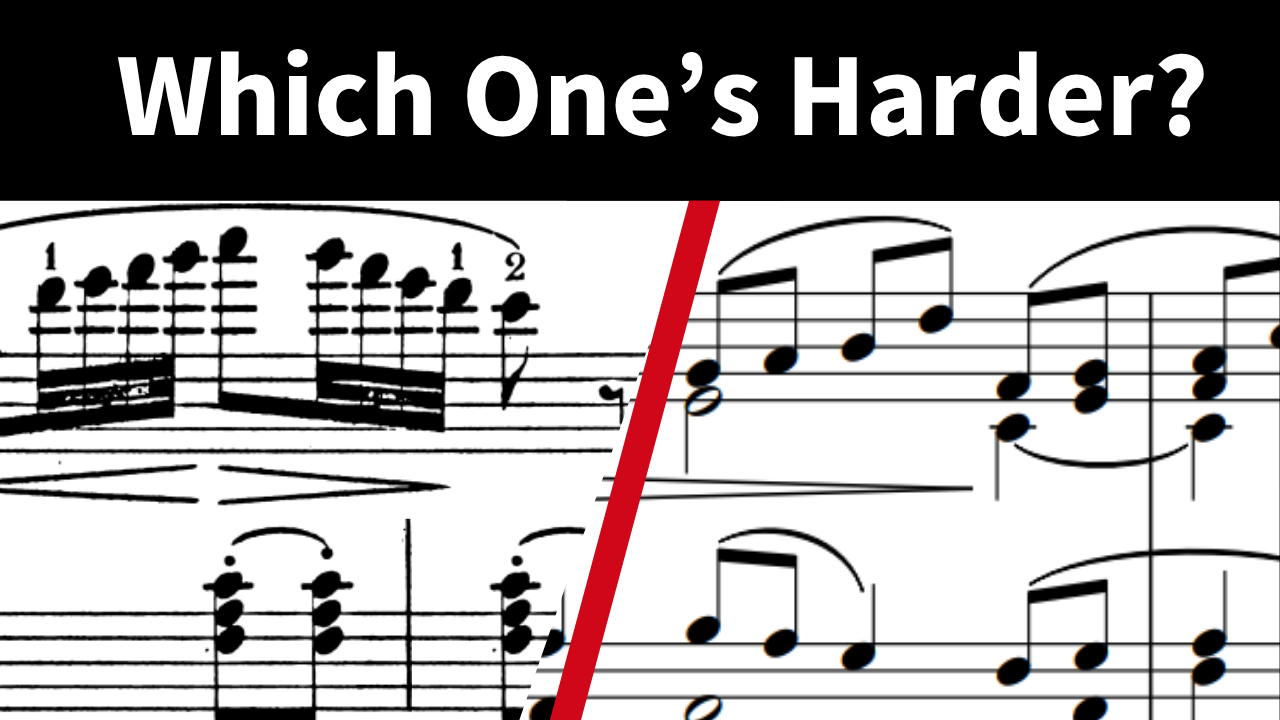
How to Choose the Right Piano Piece to Learn Next
Most of us judge a piece by its grade number, or by how black the page looks. Both can fool you. A page full of sixteenth notes can be easier than it looks, and a quiet, simple-looking page can take months. Difficulty on the page comes down to 7 specific things, and...
Chunking: Why Small Sections Learn Faster
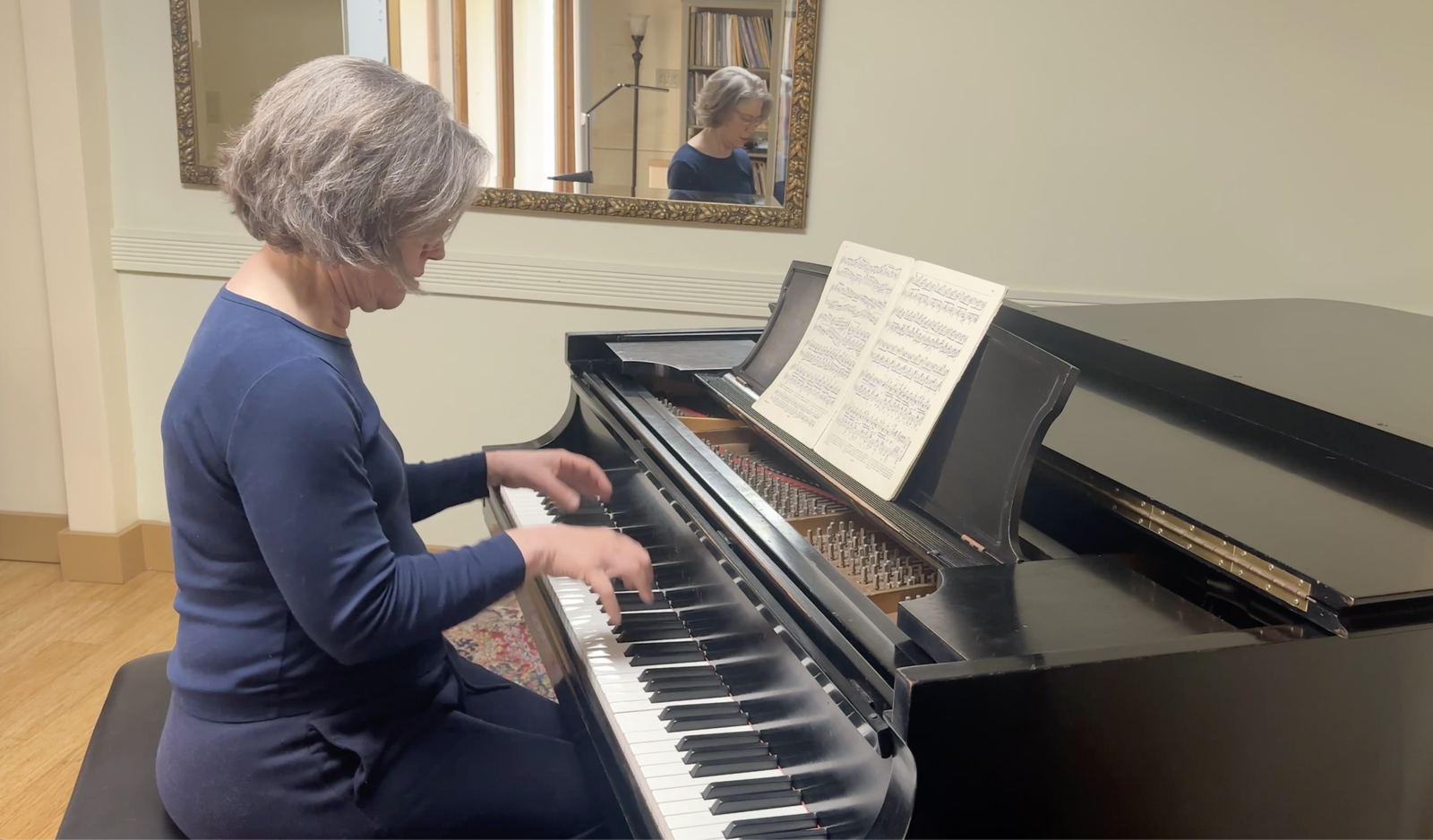
What Level Are You Actually At? Why Labelling Yourself Intermediate Might Be a Bad Idea
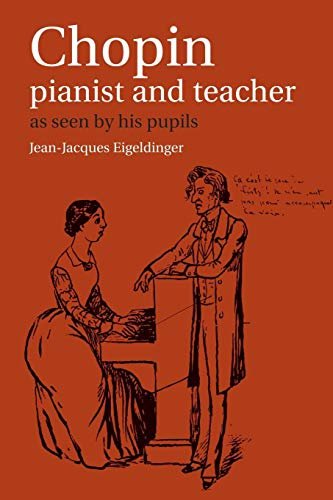
Chopin’s Practicing Secrets: 5 Habits He Taught His Students
Chopin taught 5 hours a day, 6 days a week. His students wrote down what he told them in diaries and letters. Read together, those recollections add up to a way of practicing that still works. They've been gathered into a book called Chopin: Pianist and Teacher: As...
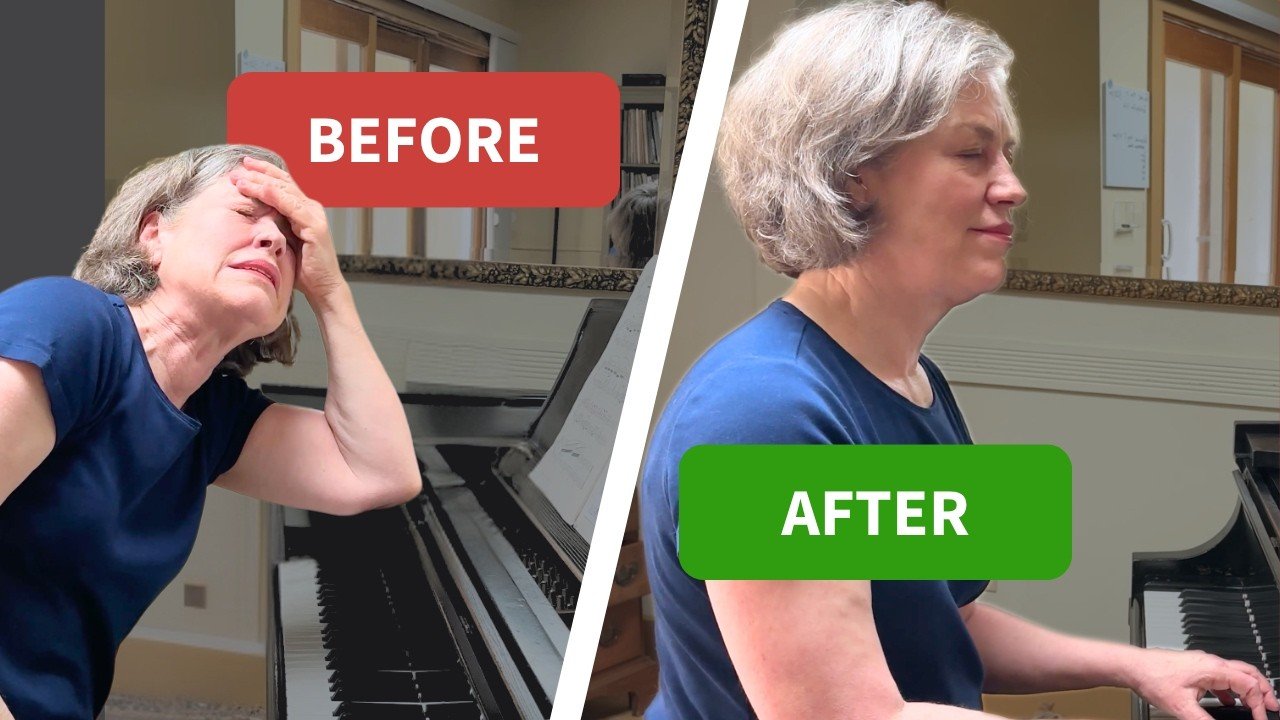
How to Learn a Piano Piece Faster: 7 Steps
If you practice for an hour and the next day it feels like you forgot everything, the piece is not too hard for you. The way you are practicing it is the problem. These are the seven steps I use with my students, shown with Debussy's Clair de Lune. You can watch me...
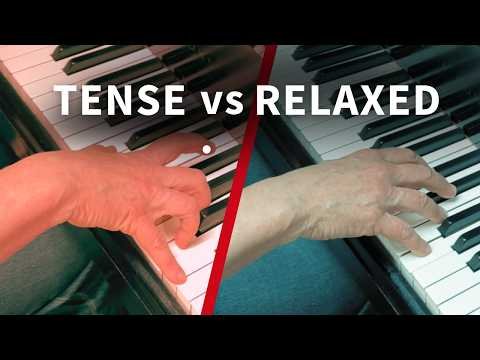
Why Your Hands Get Tense at the Piano (and How to Fix It)
1. Hanging on to notes that are already finished These three habits are the same ones I demonstrate on camera in The 4 Reasons Your Hands Get Tense (You Don't Know You're Doing #3). Watching the movement helps more than reading about it, so start there if you learn...