
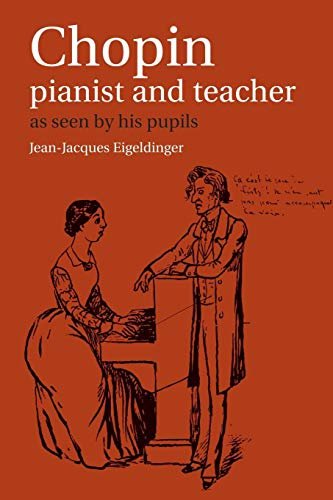
Chopin taught 5 hours a day, 6 days a week. His students wrote down what he told them in diaries and letters. Read together, those recollections add up to a way of practicing that still works. They've been gathered into a book called
Chopin: Pianist and Teacher: As Seen by his Pupils
Here are five of the habits I teach from that Chopin also taught.
1. Practice slowly before you go fast
His student Mikuli remembered him always advising slow practice, with full attention on every note. Slow does not mean never fast. It means knowing exactly what you are doing before you speed up.
How slow? I use the hundred dollar tempo. Imagine someone offers you a $100 bill if you play the passage perfectly. Play at the speed where you would win it. For learning, that is often 25 to 30 percent of your goal tempo.
Mary Ellen tried this during my Chopin workshop and wrote in the chat: "I'm amazed I played it perfectly slowly but perfectly."
2. Work in tiny sections: three, break, three
Most people can hold three to six things in working memory at once. That is why a login code is six digits and not ninety. So practice only three to six items at a time.
What is an item? For a beginner that might be 3 notes. For an advanced player who knows the piece, it might be a few measures.
Play the section three times at the thousand-dollar tempo. Take a ten-second break. Play it three more times, then move on to the next section. You are not playing it fifteen times, which is how you get through more music.
3. Never repeat a mistake
Chopin insisted that students never repeat a mistake, because each wrong repetition ingrains it further. Twenty or forty mindless repetitions do nothing. The fix is the same as habit 1: slow down until you can play it right, then repeat what is right.
4. Rest on purpose
One student mentioned practicing 6 hours a day. Chopin got angry and forbade more than 3. He told students to break up their work with a good book, great art or a brisk walk. Your brain keeps sorting out a new skill while you rest. You may have noticed a piece sounding better after a couple of days away from it.
The trick to using rest to help you learn is that you need to know how LONG to rest things for. That's something I teach inside Piano with Rebecca B in the 28 Day Piano Journey.
5. Sing, and practice in the dark
Chopin told his students that if they wanted to play, they had to sing. He wanted every phrase to sound like song. Sing the melody away from the piano and your hands will know the shape you are after.
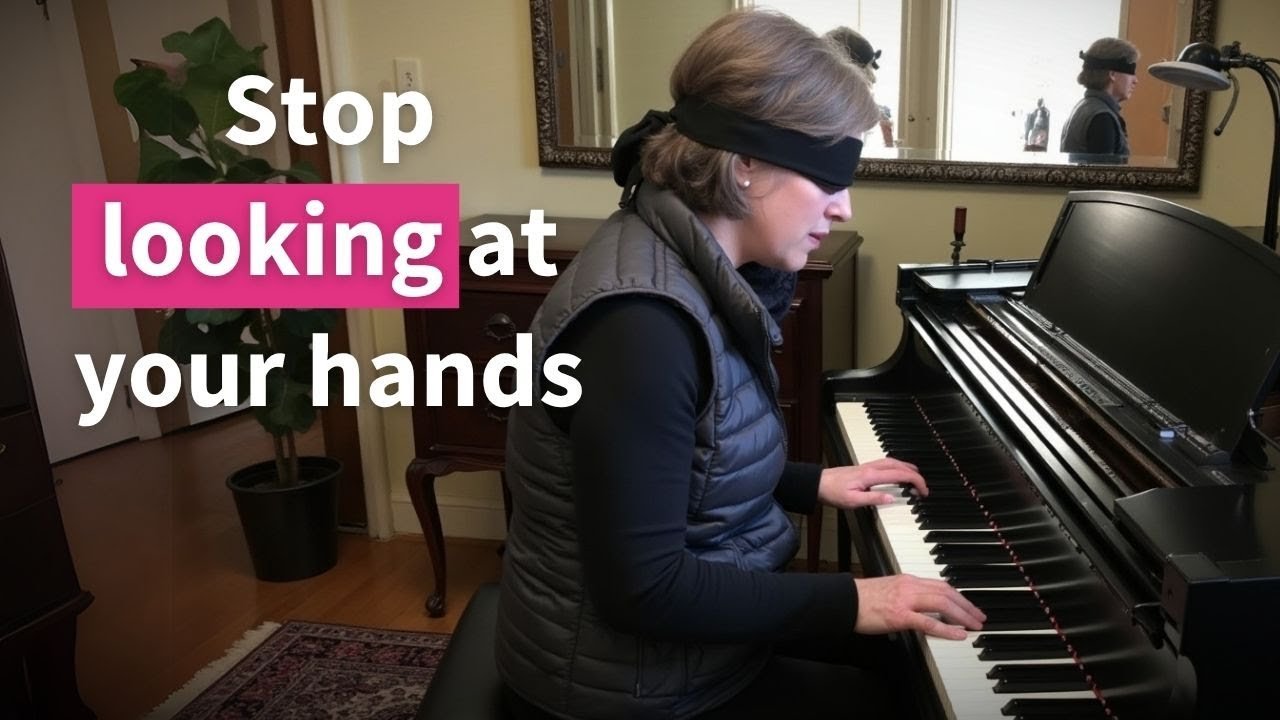
He also said that once you know a piece from memory, practice it at night in the dark. "With nothing to look at, you hear every fault, and your hand gets a confidence it cannot find while you watch the keys" were his exact words.
About a quarter of your brain's outer layer works mainly on vision, so closing your eyes lets more of your attention go to sound and touch. I would start well before the piece is memorized. Learn a small section, play it with your eyes closed, then open them and find the next one. I show how in Why Practicing with Your Eyes Closed is a Game Changer.
The full workshop
My Chopin Piano Practicing Secrets workshop goes much deeper, including his ideas on technique, touch and fingering, with a live demonstration on the D-flat Nocturne. The Piano with Rebecca B membership includes it, and you can try the membership free for 7 days. Start your free trial